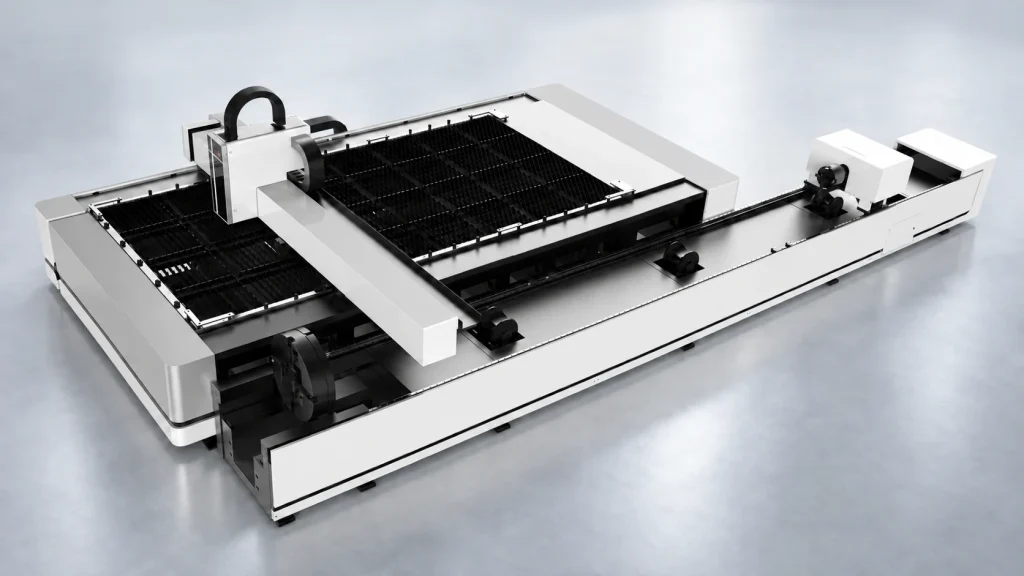
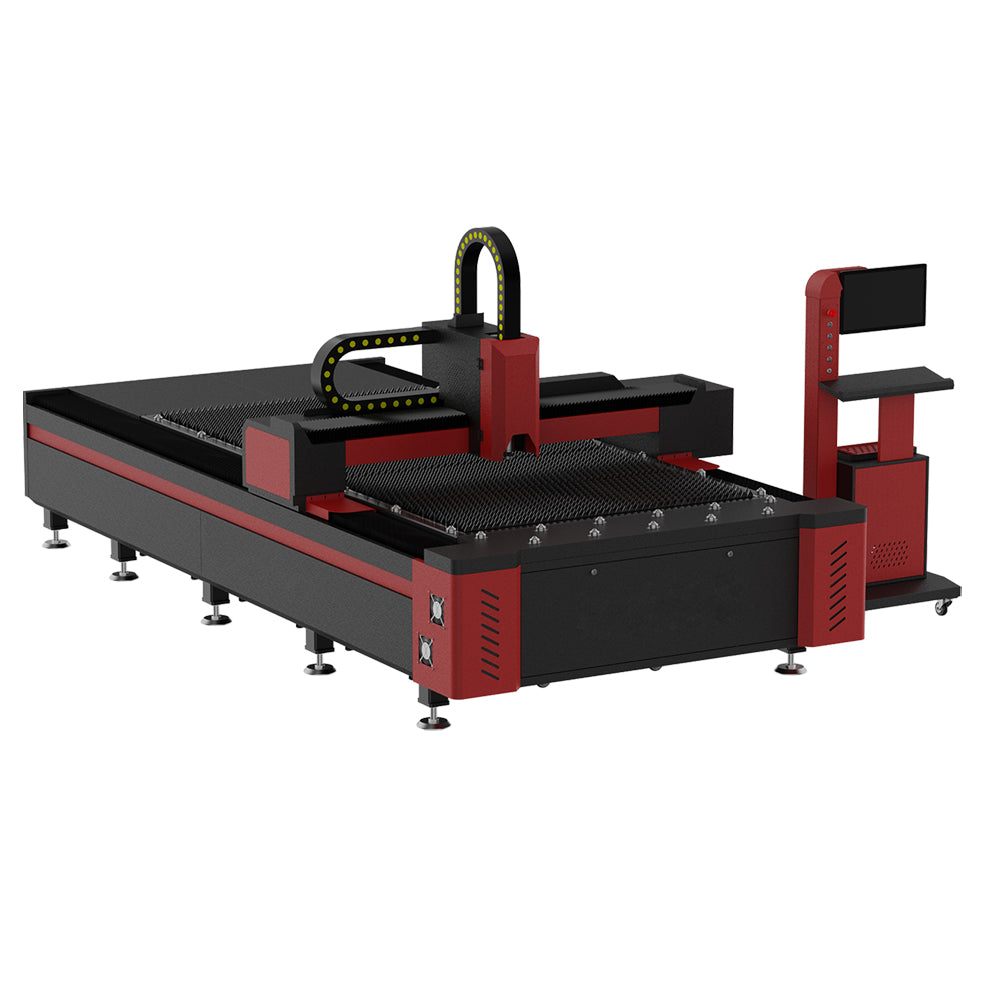
 3 kW Fiber Laser Cutting Machine
How to Prepare a Laser Sample Test
Turn a sample request into a useful comparison: define the material, drawings, acceptance criteria and test record before sending anything.
A laser sample test should answer a specific production question. Define the feature to produce, the finish to assess or the machine configuration to evaluate. Keep that question with the samples and drawings throughout the review of cutting, welding, cleaning or metal printing.
Describe the starting material
Identify the exact material grade where known, its dimensions and thickness, any coating or surface treatment, and variations between the pieces. Note which details are confirmed and which still need checking. For cleaning work, identify the material to be removed and the surface that must remain.
Choose samples that represent the work you expect to run. If several grades, finishes or thicknesses are important, identify them separately rather than treating one sample as evidence for the entire range.
Define the drawing and finished result
Provide a drawing or artwork with units, revision and the features that matter. Mark the dimensions or areas that require inspection. Explain the next production step, such as assembly or finishing, when it affects the acceptance decision.
| Application | Questions to include in the brief |
|---|---|
| Sheet or tube cutting | Which dimensions, holes, slots, end features and edge conditions will be inspected? |
| Welding | Which joint, fit-up and finished result need review, and what inspection will be required? |
| Cleaning | What must be removed, what must remain, and how will the treated surface be assessed? |
| Metal additive manufacturing | Which geometry, material and post-processing condition will be used to assess the finished part? |
Reference photographs can explain the desired appearance. They should sit alongside measurable requirements where those are needed, rather than serving as the only acceptance criterion.
Agree the scope before sending samples
- Confirm the recipient, delivery address, sample quantity and test scope with the team.
- Label each material or version so it can be traced to the corresponding drawing.
- Agree whether a control sample, unfinished sample or comparison piece is required.
- Confirm whether the pieces will be altered or consumed, and agree return arrangements.
- Identify the people who will review the result and any inspection that requires a separate specialist.
Ask for a traceable result record
The record should connect each result to its sample ID, drawing revision, machine configuration and the conditions relevant to the agreed test. Request photographs with useful views and an indication of scale, plus the agreed measurements and any limitations observed.
If speed matters, define exactly what is being timed. Cutting or processing time, handling time and the complete job cycle answer different questions. Ask for the timing basis instead of comparing unexplained figures from different demonstrations.
Use the result to refine the equipment brief
Review the result against the original criteria. Record what passed, what remains uncertain and whether another sample or a changed configuration is needed. A successful sample supports the defined case; it does not establish performance for every material, geometry or production schedule.
Continue with the relevant range: sheet cutting, tube cutting, laser welding, laser cleaning or metal 3D printing. Bring the reviewed test scope into the equipment quotation.