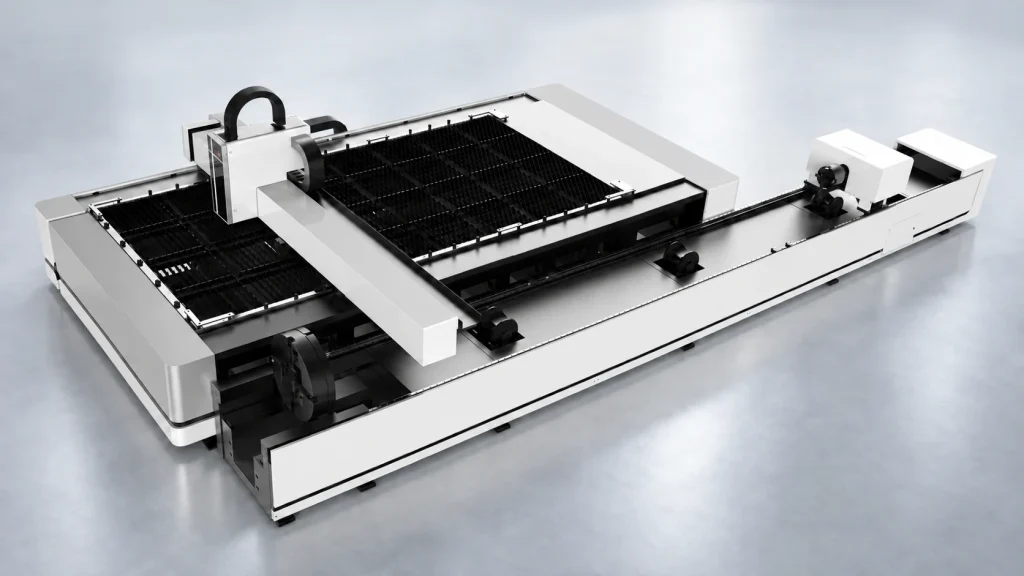
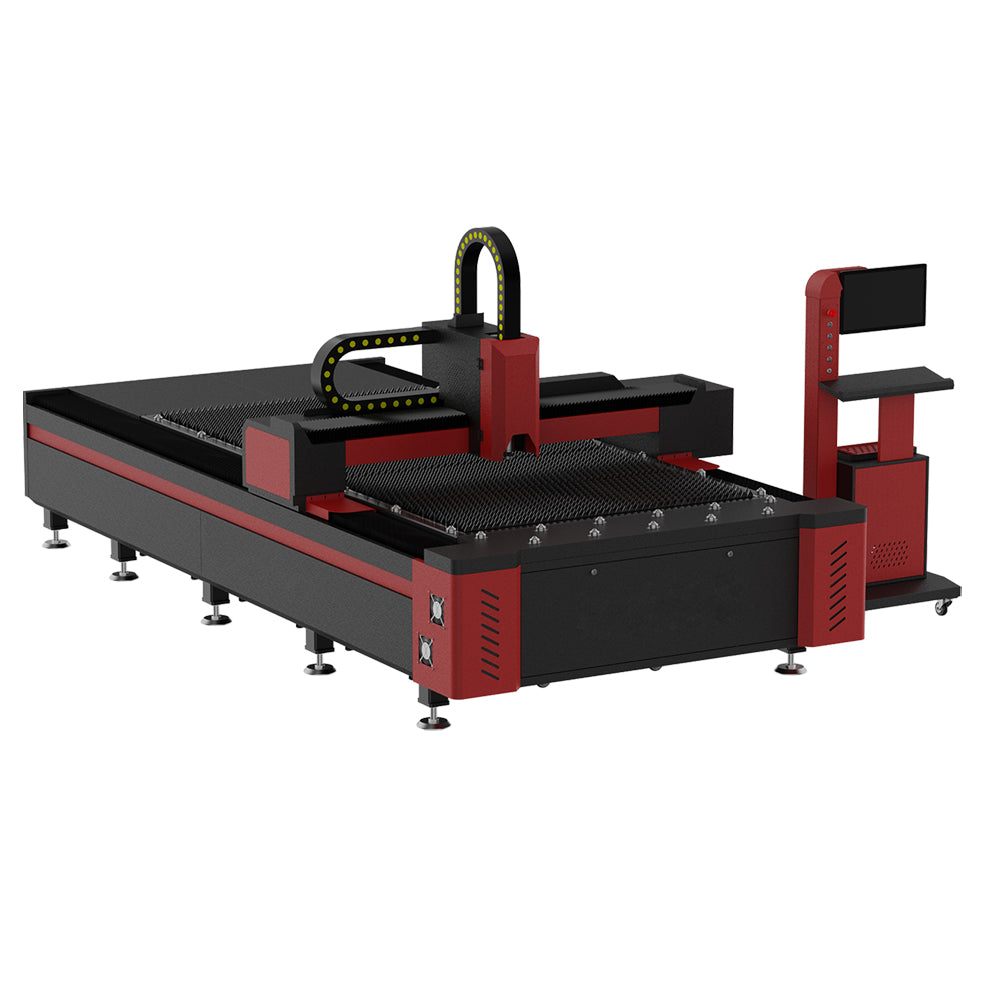
 3 kW Fiber Laser Cutting Machine
What Determines Fiber Laser Cutting Machine Cost?
Compare configuration, operating assumptions and delivery scope so your cutting-machine quotations describe the same production requirement.
A fiber laser cutting machine price is useful only when you know what the offer includes. Two quotations can describe the same laser power yet cover different tables, handling equipment, services and site responsibilities. Start with the parts you make, then compare the complete installed scope and the running costs relevant to those parts.
Define the work before comparing machine prices
List your regular material grades, thicknesses, stock sizes and batch quantities. Separate routine work from occasional large or difficult jobs. Include a representative drawing with the required edge finish and dimensions, rather than asking for the highest power within a budget.
Choose a format from the fiber laser cutting machine overview. A sheet table, tube support and chuck arrangement, and a combined machine solve different handling problems. For example, compare the open-bed sheet cutter with its own requirements; a tube-processing option is a separate scope decision. If sheet and tube jobs must run concurrently, evaluate the proposed schedule before assigning value to a combination system.
Separate the equipment into comparable cost items
Request an itemised offer with the exact model and configuration. For every supporting item, record whether it is included, optional, customer-supplied or outside scope. Use the same columns for each proposal.
| Cost area | What to identify |
|---|---|
| Core machine | Working format and area; laser source, cutting head, controls and cooling. |
| Loading and material flow | Tables, tube supports, feeding, unloading and any storage or automation. |
| Process support | Extraction, gas-related equipment, software licences and initial consumables. |
| Delivery and startup | Packing, transport, unloading, positioning, installation and training. |
| Continuing support | Service scope, replacement parts, software renewals and stated exclusions. |
Laser power, working area, components and automation are separate quotation factors, as outlined in Bodor’s manufacturer cost guide. Their significance depends on the proposed configuration; an accessory name alone does not show its capacity, connections or installation scope.
Ask for an operating-cost worksheet for your parts
Keep recurring costs separate from the equipment purchase. Ask which electrical loads and process-gas requirements apply during the agreed job. Add your local utility rates only after the supplier has explained the measurement basis. Laser output power is not the same as the complete system’s electricity demand.
Include consumables, maintenance activities and the labour needed for loading, sorting and the next production step. Request the relevant part references and service schedule. Avoid assuming a fixed consumable life or a universal cost per hour: material, settings, duty and the scope of the calculation can differ.
For a useful comparison, keep the same drawing, material, stock layout and accepted-part definition. Record material used and finished acceptable quantity alongside processing time. Separate a cutting demonstration from a complete job cycle that includes handling and rework.
Check the site and delivery costs before ordering
Give the supplier your destination and a proposed layout. Ask for the machine footprint, service access, electrical connection, process utilities and extraction requirements for the selected configuration. Confirm how the machine reaches its position and which team provides the unloading equipment.
Record the delivery basis and which transport, receiving and installation costs are included. Have the responsible importer establish destination charges separately. For training and commissioning, identify the format, duration, participants and any travel responsibilities in the written offer. These details make an apparently lower equipment price easier to assess.
Compare the result, then request a revised quotation
- Send the same production brief and drawing revision to each supplier.
- Resolve differences in the included scope before comparing totals.
- Keep optional equipment and future expansion separate from the initial purchase.
- Agree a sample result and the acceptance record for the quoted configuration.
- Record unresolved items, offer validity and the revision being considered.
Use the sample test preparation guide to define the evidence you need, and the machine quotation checklist to review the offer. Request a cutting quotation with your material, stock dimensions and production brief.
Further manufacturer reading
Haas HFL machine and option information provides an example of equipment-level specification and supply details. Read manufacturer examples for the questions they help you ask; use the actual selected model’s quotation to establish your purchase scope.