
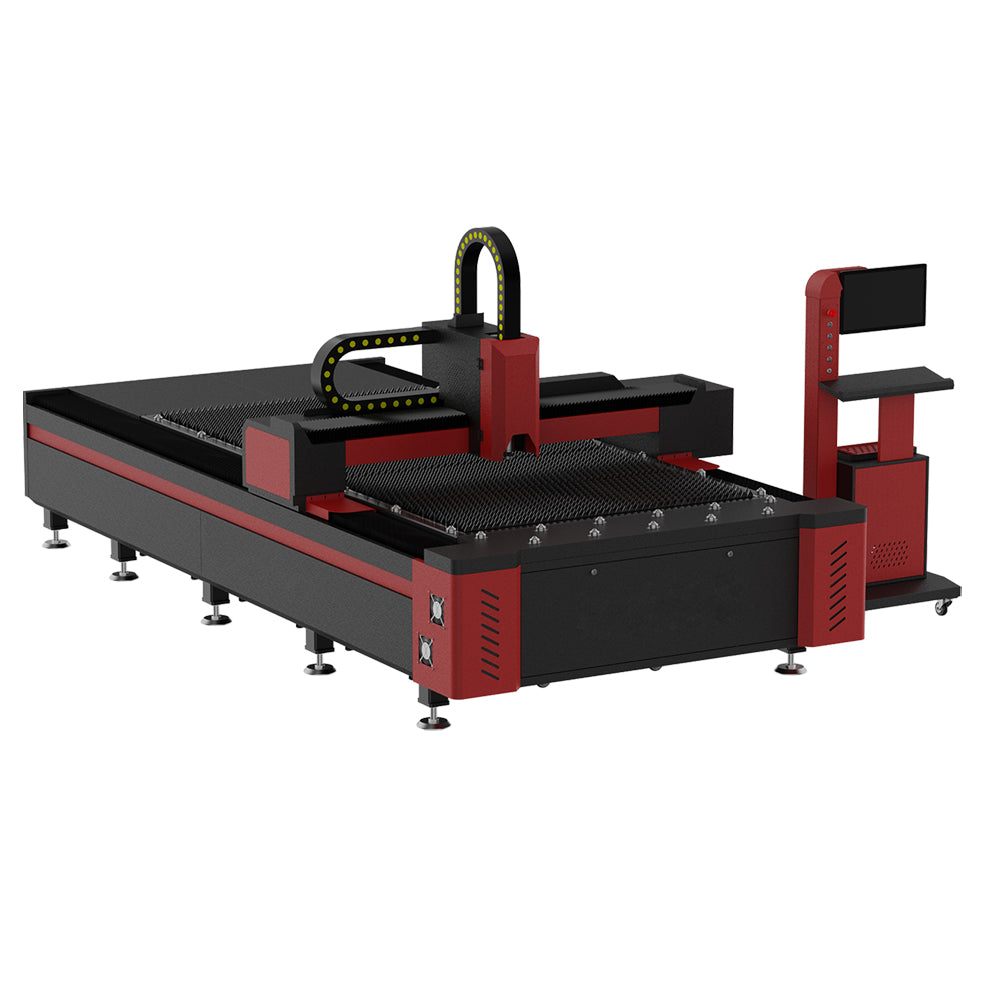
 3 kW Fiber Laser Cutting Machine
METAL CUTTING EQUIPMENT
Fiber Laser Cutting Machines
Compare CNC fiber laser cutting machines for flat sheet, tube and mixed production. Start with your stock format, material and part drawings, then define the machine configuration around the work you need to produce.
Start with the stock.
A flat sheet and a long tube need different support, positioning and handling. The right format also depends on how often you change jobs and whether sheet and tube work need to run at the same time.
Use this overview to choose a route. The equipment pages provide model details; your quotation should identify the exact configuration and included scope.
01 / COMPARE THE FORMATS
Sheet, tube or a combined machine?
Sheet cutting
For parts nested in flat metal sheet. Compare the largest sheet, material and thickness range with table access, loading and finished-part removal. Open-bed and exchange-table layouts should be reviewed against your workshop flow.
Explore sheet laser cutting machines
Featured model: open-bed fiber laser cutter.
Tube cutting
For round, square, rectangular and other profiles. Define the stock length, profile envelope and wall thickness, then review chuck arrangement, support and feeding. Part geometry and clamping access belong in the same discussion.
Explore tube laser cutting machines
Featured model: three-chuck tube laser cutter.
Sheet and tube cutting
For a mixed workload handled by one equipment configuration. Compare the balance of sheet and tube jobs, changeovers and loading access. If both processes must run simultaneously, evaluate separate machines alongside a combined system.
Explore combined cutting machines
Featured model: combined sheet and tube cutter.
02 / DEFINE THE CONFIGURATION
Choose by material and production requirements.
A power rating alone does not define whether a machine suits your parts. Use the same brief when comparing equipment so differences in the proposed scope are clear.
- Material and part requirementsShare the metal grade, thickness or wall thickness, stock dimensions and a representative drawing. Mark the features, edge finish and dimensions that matter to the next operation.
- Production and handlingDescribe batch sizes, job changes and the loading method. Include floor space, access routes and whether sheet and tube jobs must run concurrently.
- Configuration and utilitiesReview laser power, source, cutting head, controls and cooling as a compatible setup. Confirm process gas, extraction, electrical supply and the items included in the quotation.
- Sample and acceptanceAgree which part to test and how to assess it. Keep the material, machine configuration and test conditions with the result before confirming the production setup.
SAMPLES & QUOTATIONS
Bring a drawing. Define your cutting setup.
Send your material, stock dimensions and production brief to discuss equipment options. Use the sample preparation guide and quotation checklist to prepare a consistent review.