
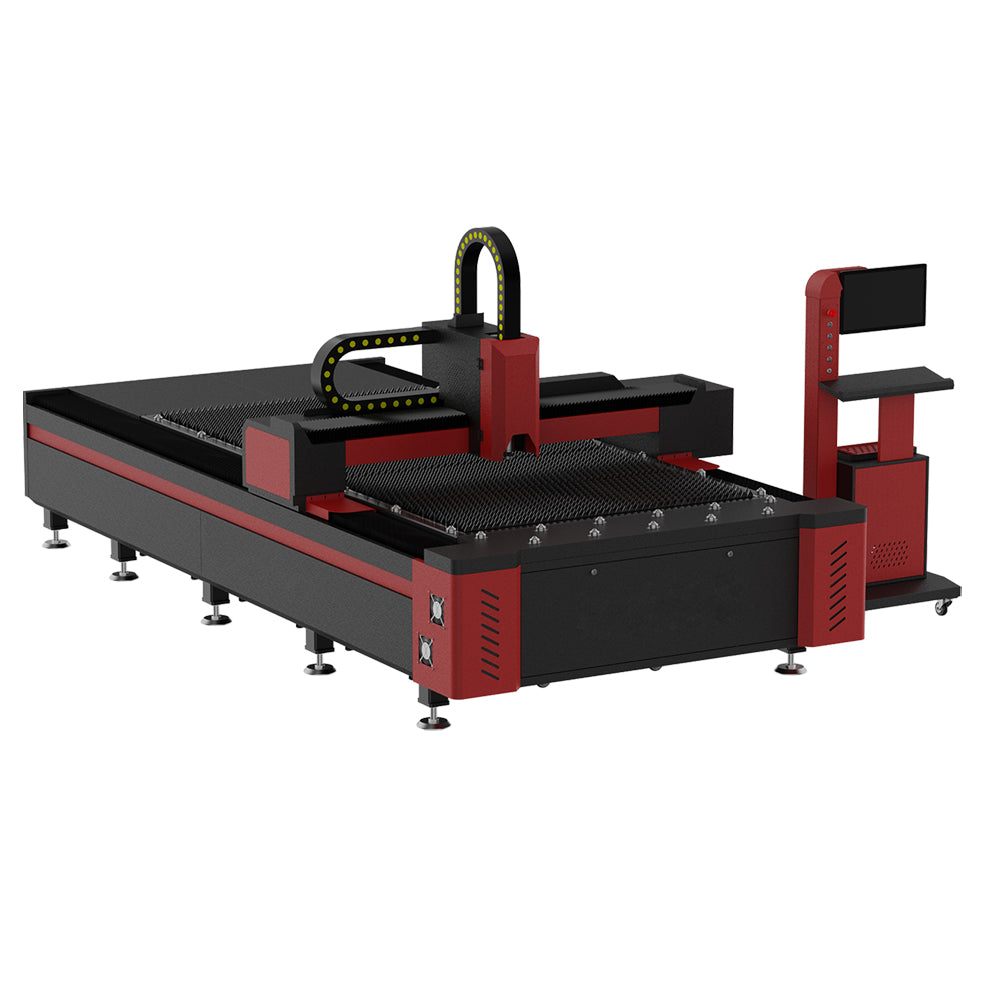
 3 kW Fiber Laser Cutting Machine
Pulsed vs Continuous Laser Cleaning: What to Compare
Choose a cleaning process around the layer to remove and the surface to preserve. Compare samples and the complete workflow before judging power or productivity.
Choosing between pulsed and continuous laser cleaning starts with two questions: what must be removed, and what must remain? A rusted structural part, a coated component and a finished surface can require different outcomes. Compare the proposed equipment on representative samples, with an agreed inspection method and a record of the process conditions.
Understand pulsed and continuous delivery
A pulsed laser delivers energy in separate pulses; a continuous-wave, or CW, laser emits continuously while operating in that mode. For pulsed equipment, the source description may include pulse duration, repetition rate and pulse energy as well as average power. The available settings depend on the particular source and controller.
Short pulses concentrate energy into brief bursts. Pulse duration and peak power therefore matter alongside average power when reviewing removal and thermal effects. IPG’s technical overview explains that pulsed sources can reduce thermal impact in suitable applications; this is a reason to shortlist pulsed equipment when preserving a heat-sensitive surface is a priority. For CW proposals, examine heat accumulation during sustained exposure and repeated passes. Neither mode guarantees an unchanged surface. Keep a CW candidate where testing shows the required removal and substrate condition, and compare complete accepted cycle times rather than assuming higher power is faster.
Compare the questions each proposal must answer
| Selection point | Pulsed proposal | Continuous-wave proposal |
|---|---|---|
| Source information | Confirm the source model, pulse settings and average-power range. | Confirm the source model, operating mode and available power control. |
| Thermal response | Compare pulse duration, peak power and repetition rate against the removal and surface result. | Check surface heating during sustained exposure and repeat passes, alongside power and scan conditions. |
| Processing setup | Record the head, optics, scan pattern, passes and pulse settings. | Record the head, optics, scan pattern, passes and power setting. |
| Production comparison | Measure the agreed result over a representative area and complete work sequence. | Use the same area, condition and acceptance method for the comparison. |
| Installation | Identify the actual cooling, electrical, extraction and handling requirements. | Identify the actual cooling, electrical, extraction and handling requirements. |
Use this table to prepare a common enquiry. Avoid comparing average watts, advertised coverage or a short video while the coating, surface condition and acceptance criteria differ.
Define the surface you need to deliver
Identify the substrate material, part thickness and geometry. Describe the rust, coating or contamination, including its variation across the part and any available material documentation. Specify which faces, edges, holes or recesses need treatment, and which features must remain as they are.
Then define the next operation. A surface prepared for repainting may be assessed differently from a finished component that will remain visible. State the cleanliness, appearance, dimensions or surface measurements that matter to your process. Agree how those conditions will be checked before deciding which source to shortlist.
The laser cleaning machine range provides the equipment routes. The existing air-cooled pulsed cleaner is a model reference; its specification should not be applied to a separate CW proposal.
Compare representative sample results
- Provide labelled samples or defined test areas with representative contamination, coating variation and substrate condition.
- Keep an untreated reference and record the acceptance criteria before the trial starts.
- Record the source, head and optics, power or pulse settings, scan pattern, working distance and number of passes used.
- Inspect both removal quality and the underlying surface. Record remaining material, colour changes, surface measurements or other agreed observations.
- Measure a defined area and distinguish processing time from repositioning, handling, inspection and repeat passes.
- Repeat the agreed case where necessary and retain photos, measurements and limitations with the sample record.
Use the sample preparation guide to organise the review. A result from one coating or part does not establish performance for every material in your workshop.
Review cooling and the complete workflow
Source mode and cooling are separate entries in the equipment specification. Confirm the installed cooling arrangement, site power, documented operating conditions and maintenance requirements for the quoted model. Include cable reach, head access and the route by which parts enter and leave the work area.
The project brief should also identify the coating or contamination so the supplier and your site team can review extraction, containment, training and operating procedures. This purchasing comparison is not a substitute for the equipment instructions or a site-specific assessment.
Choose from the trial and supply scope
Use the trial record to request a specific machine configuration. Confirm the source, head, cooling, included consumables, extraction scope, installation and training in the quotation checklist. Keep optional equipment separate from included items, then use the laser cleaning machine cost guide to compare the full equipment and operating scope.
For a cleaning sample discussion, send the material description, surface photographs, area to treat and required result. Compare the complete accepted process before making a productivity or cost claim.
Further reading
These manufacturer sources introduce energy delivery and separate equipment types. Their application claims and specifications require model-specific review and are not FONLAND test results.