
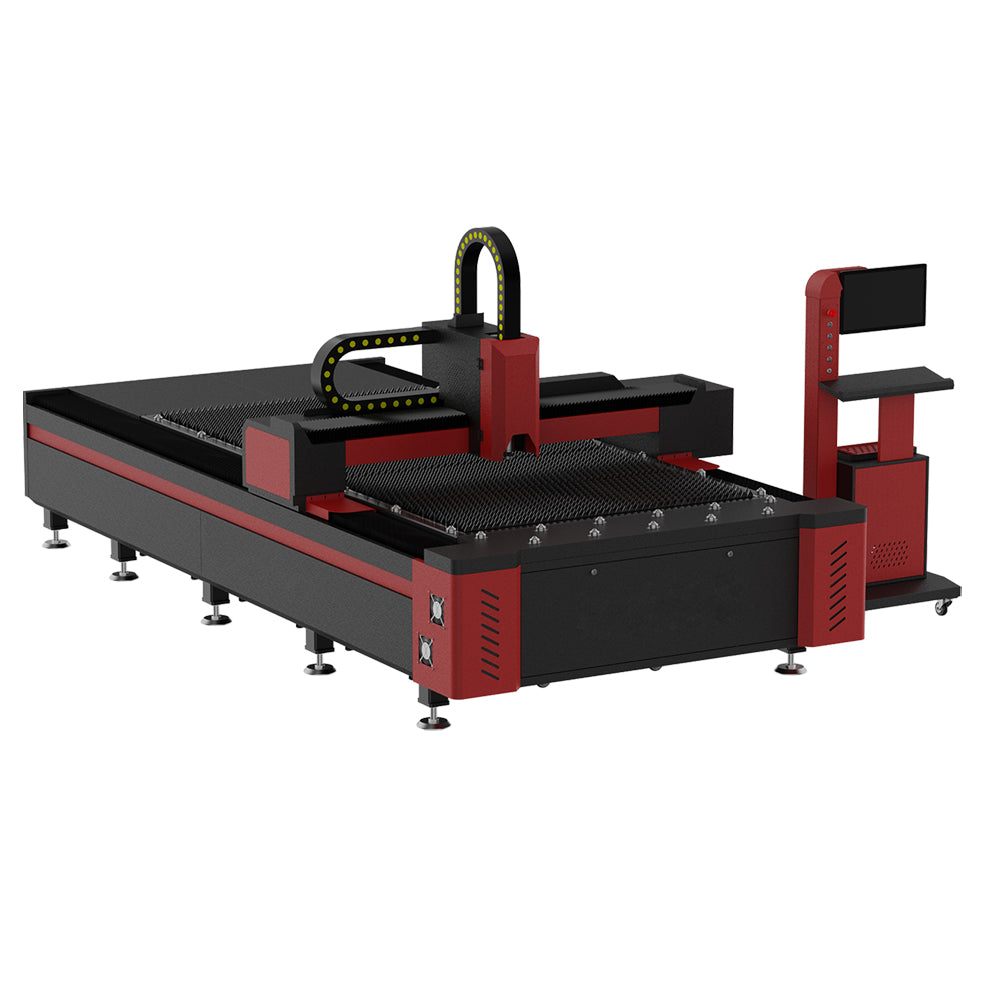
 3 kW Fiber Laser Cutting Machine
Pulsed cleaning · Air cooling
Air-Cooled Pulsed Laser Cleaning Machine
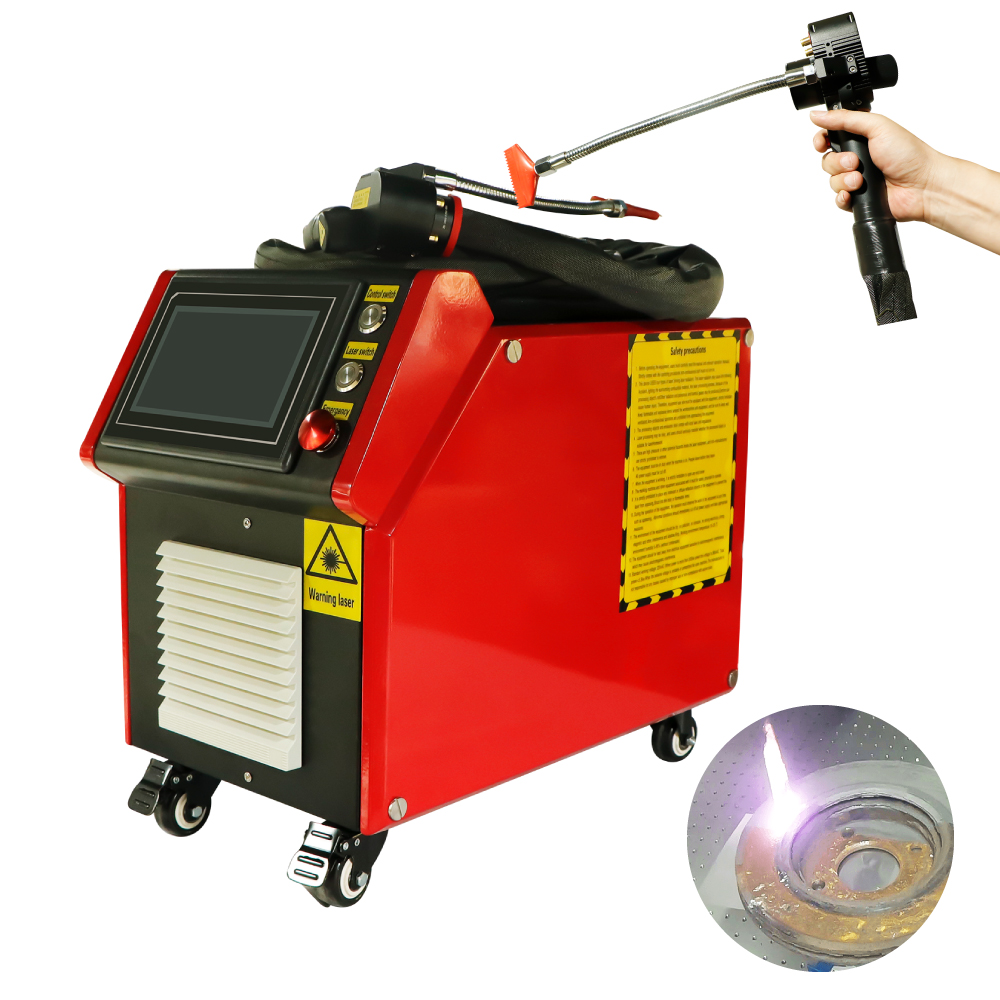
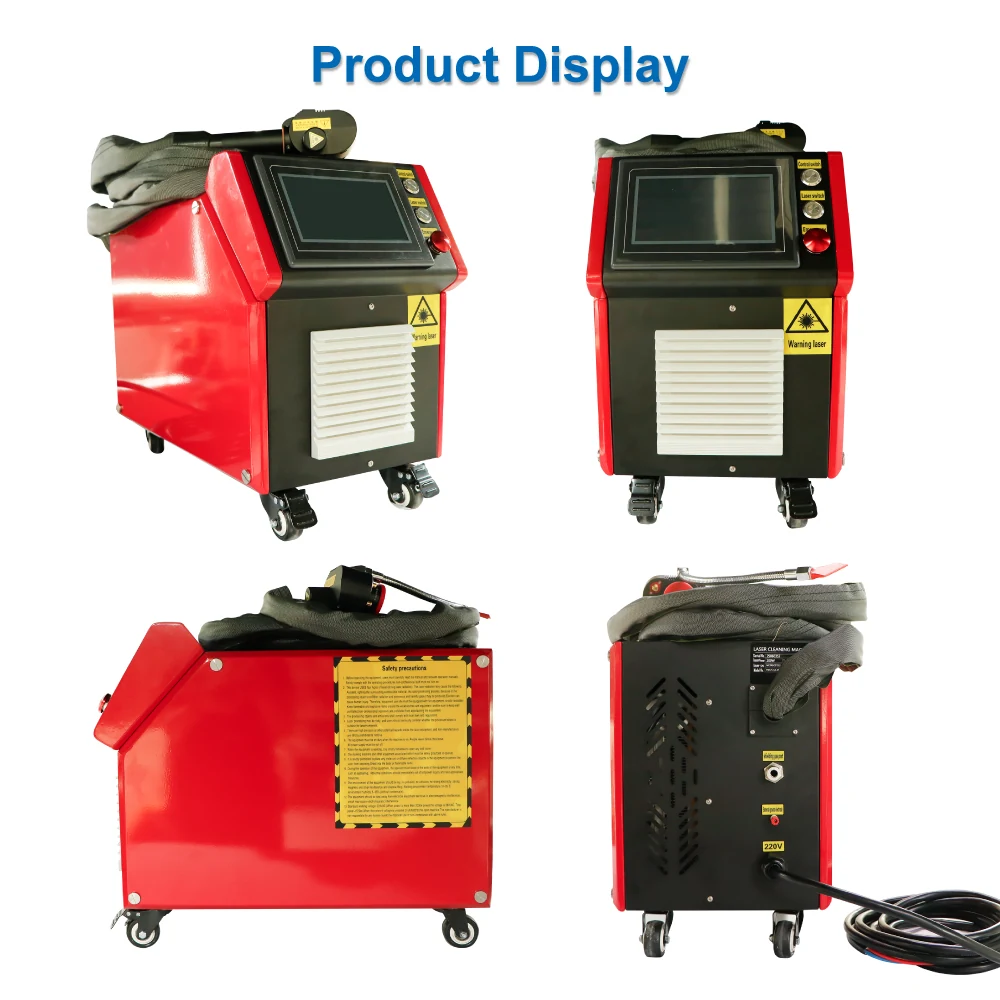
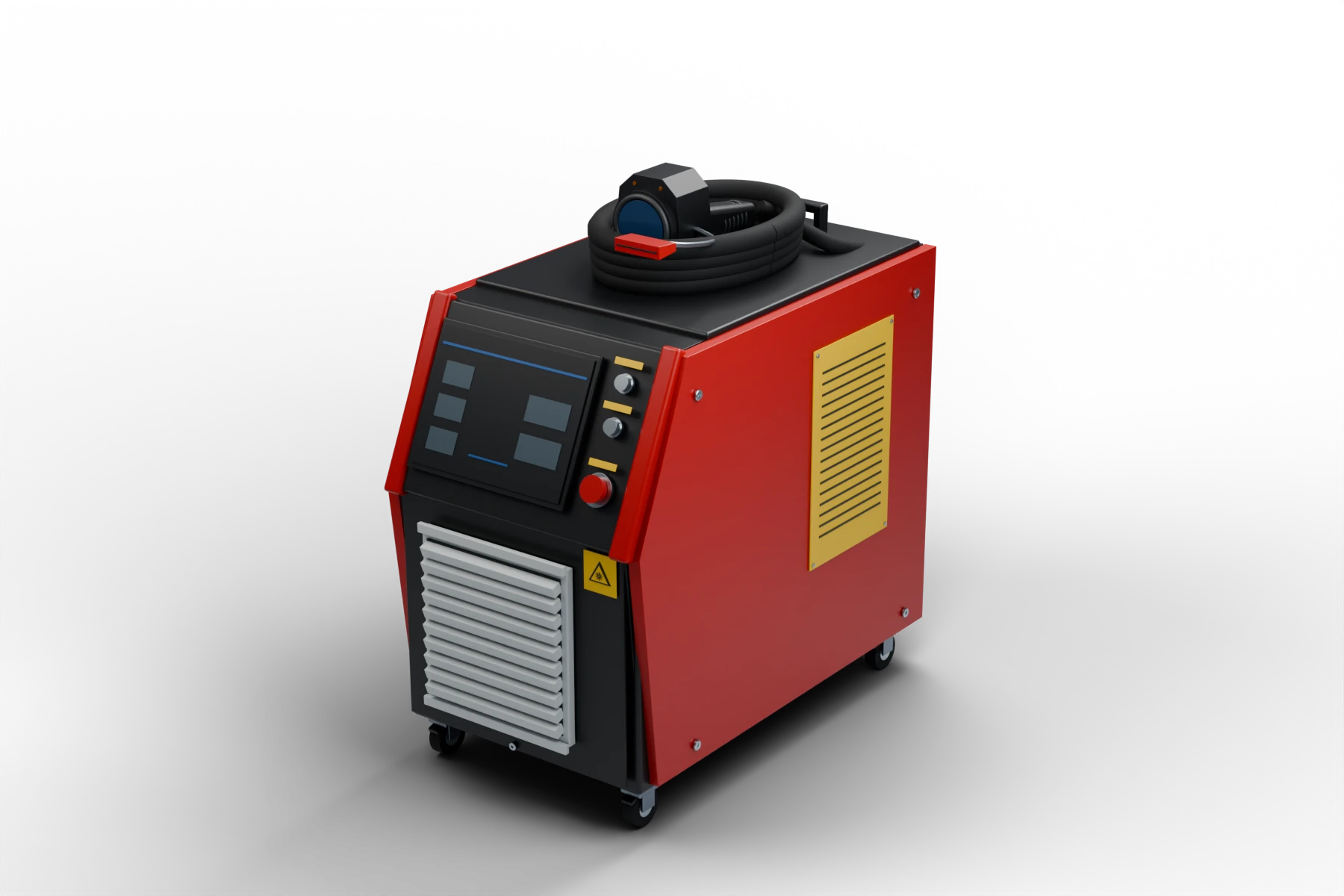
Product image · air-cooled pulsed cleaning configuration.
Product views · confirm the housing and connections for your power option.
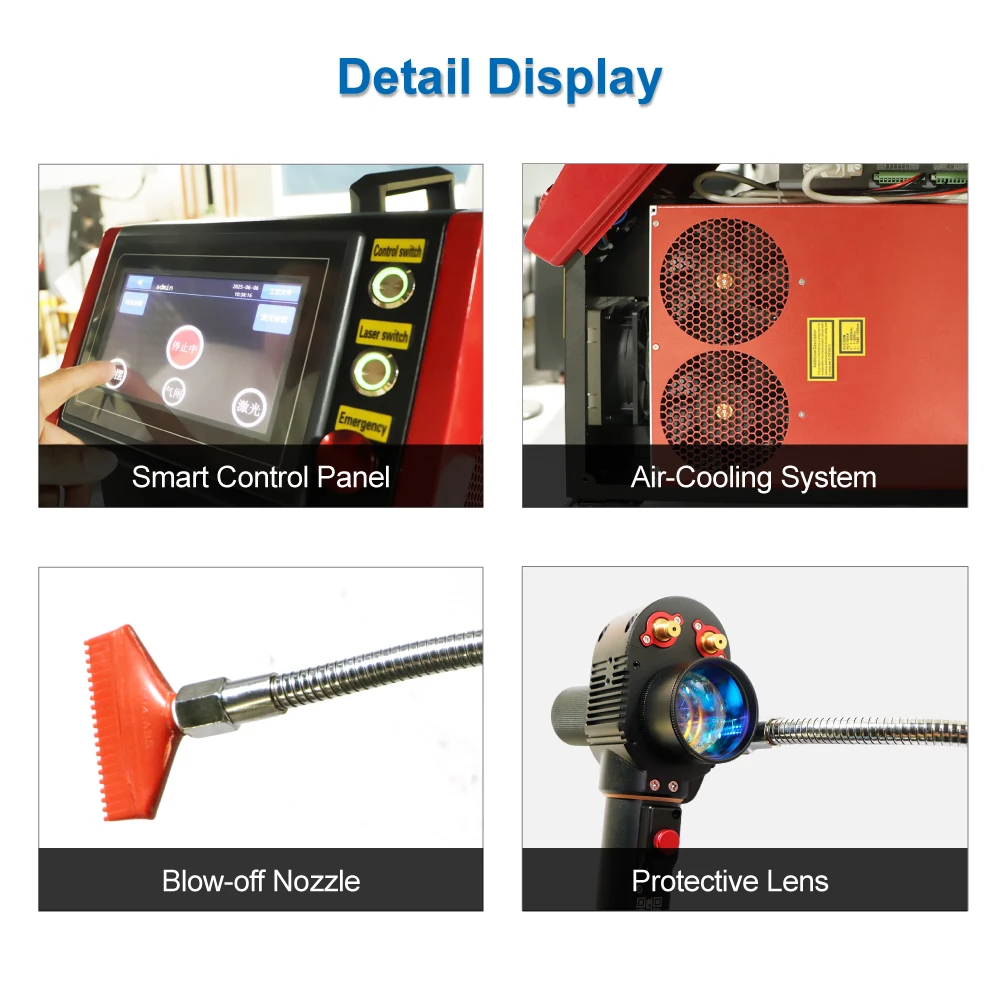
Control and head details from the product range.
Blender exterior illustration. Refer to the product photographs and confirmed configuration for equipment details.
A compact handheld pulsed laser system for localised metal surface cleaning. Match the laser power and scanning setup to the coating, substrate and finish you need.
100–500 WAvailable pulsed laser power options
Series options at a glance
- Cooling
- Air cooling
- Scanning width (range reference)
- 5–100 mm
- Pulse frequency (range reference)
- 5–200 kHz
Describe both the layer to remove and the base surface to retain. The sample result defines the process.
Pulsed laser cleaning setup.
Review the cleaning task at the workpiece, from the residue to the required condition of the underlying metal.
Handheld access
Bring the scanning head to local areas on the part. Review surface geometry, cable access and the required cleaning width before defining the setup.
Adjustable scan patterns
Select the scan pattern and process settings for the area being treated. Laser power, pulse settings and motion work together to determine the result.
Air-cooled cabinet
An air-cooled format keeps the core equipment in a compact cabinet. Confirm the working environment, utility supply and extraction arrangement with the installation plan.
Pulsed cleaning options.
Published references for the air-cooled pulse cleaner range. Available settings depend on the selected source and head.
Find your configuration| Laser power options | 100 / 200 / 300 / 500 W |
|---|---|
| Laser wavelength | 1,064 nm |
| Cooling | Air cooling |
| Power adjustment | 10–100% |
| Pulse frequency (range reference) | 5–200 kHz |
| Delivery fiber (published reference) | 5 m |
| Scanning width (range reference) | 5–100 mm |
| Scanning patterns | Linear, circular, rectangular and other pattern options |
These are range options, not one universal configuration. Machine weight, dimensions and cleaning rate are confirmed for the selected power and application.
Pulse power and source configuration
Different power options use different pulse characteristics. Select the source around the coating, base material and finish requirement instead of comparing wattage alone.
Surface test and acceptance
Provide an untreated sample and describe the layer to remove, areas to retain and acceptable final appearance. Agree how to assess residue, texture and any change to the base material before specifying the production process.
Resources & support.
A useful cleaning brief describes the surface before and after treatment.
Before you choose.
Will cleaning change the base material?
The outcome depends on the substrate, coating, laser settings and exposure. Agree the acceptable final surface condition and confirm it with a sample test on your material.
How much area can it clean per hour?
Cleaning rate varies with the contaminant, layer thickness, surface geometry, source and acceptance criteria. A representative sample is needed to estimate a useful production rate.
Should I choose pulsed or continuous-wave cleaning?
Start with the layer to remove and the finish required. Compare the processes on representative surfaces, including treatment speed and acceptable heat input, before selecting the equipment.
Get in touch
Start with the surface you need.
Tell us the base material, layer to remove, cleaning area and finish requirements. Photos and a representative sample help define the process.
Email our team[email protected]Have a drawing or reference photo? Send it to us by email.
After your enquiry
Our team reviews your requirements and follows up on the machine configuration, sample arrangements or support you need.
Quotation checklist