
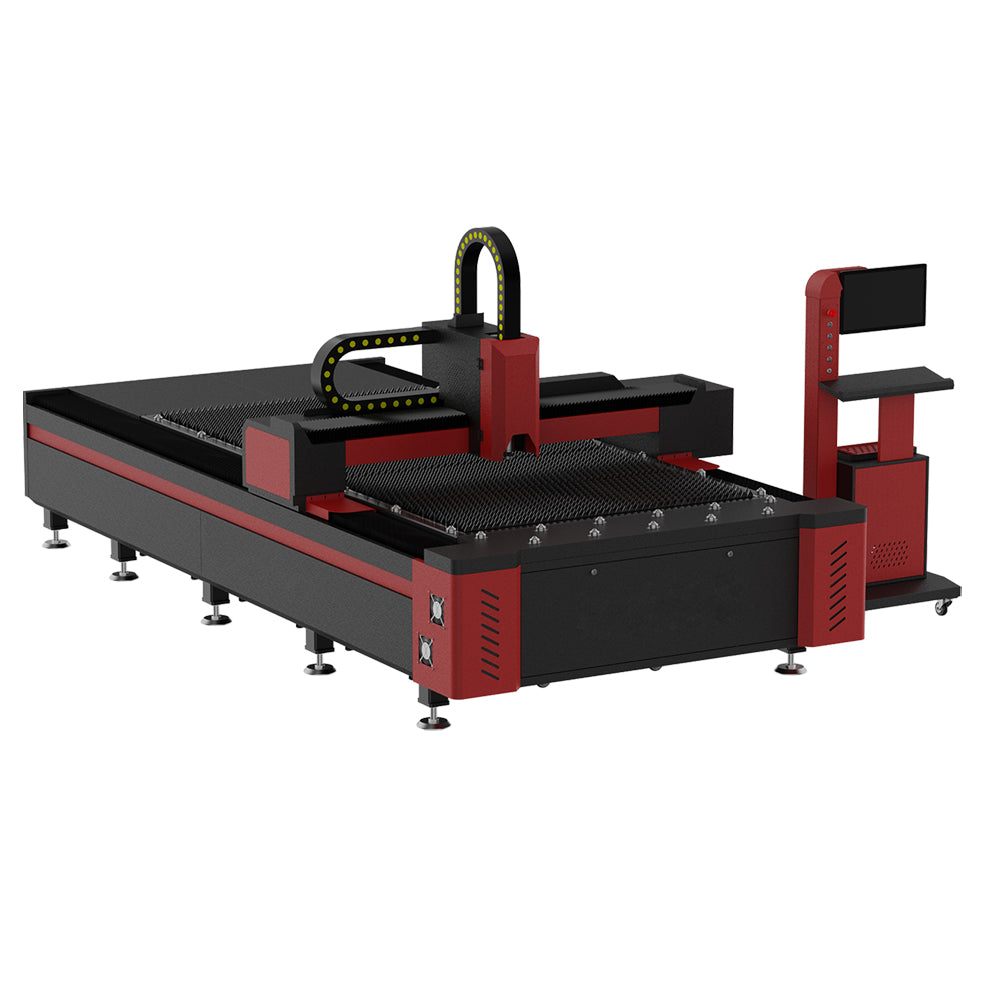
 3 kW Fiber Laser Cutting Machine
Laser Cleaning Machine Cost: Budget by Accepted Results
Build a cleaning budget from the accepted surface and complete workflow. Account for access, repeat passes, inspection, extraction and continuing supplies.
A laser cleaning machine price should be compared with the cost of producing an accepted surface. The purchase package is one part of that budget; setup, access, repeat passes, inspection and collection of removed material may also matter. Build the estimate around your actual workpiece and contamination, with a stated measurement basis.
Choose the right unit for the cleaning job
For repeated flat surfaces, an accepted area can provide a useful cost unit. For components with recesses, edges or several faces, cost per accepted part may describe the work more clearly. Define which faces count, what must be removed and how the finished surface will be assessed.
Do not treat nominal scan width as completed area. Record the surface that passes inspection after all required treatment. The pulsed and continuous cleaning comparison helps frame the process trial; this budget worksheet addresses the resulting work and supply scope.
Compare the complete cleaning package
| Budget line | What the proposal should establish |
|---|---|
| Laser and scanning head | Source mode, exact head and optics, controls and the tested configuration. |
| Cooling and utilities | Cooling arrangement and the site connections required for the supplied machine. |
| Access and workholding | Fixtures, positioning, cable reach and how the head reaches the agreed surfaces. |
| Extraction and collection | Capture equipment, filters and collection arrangements matched to the identified removed material. |
| Continuing supplies | Protective optics, filters, service items and maintenance responsibilities. |
| Delivery and startup | Receiving, site work, setup, training and the agreed acceptance record. |
Explore the laser cleaning range and the existing pulsed cleaner for equipment references. Treat an alternative source or head as a separate configuration to review, not as a price difference explained by wattage alone.
Calculate against accepted area or accepted parts
Job operating cost = setup labour + processing and handling labour + inspection and repeat-work labour + electricity + consumables + collection and disposal + allocated maintenance.
Cost per accepted area = job operating cost ÷ accepted treated area. Keep the area unit consistent. For complex components, use job operating cost ÷ accepted part count and retain the same part definition in every comparison.
These are worksheet definitions, not predicted running costs. Use person-hours and local rates for labour, measured whole-system energy for electricity, and documented consumption for supplies. Include all passes and repositioning in the numerator, but count the accepted area only once. State any items excluded from the calculation. If no area or parts pass acceptance, report the trial cost and unresolved result instead of a unit cost.
Keep equipment purchase and initial site work in a separate startup budget. If your organisation allocates capital cost across work, show the chosen period and workload as an additional line. Avoid charging a filter replacement twice through both consumables and maintenance.
Collect evidence for the largest unknowns
Sample condition can vary across a job. Record coating or rust variation, geometry and the agreed finish before comparing demonstrations. A small easy patch may not represent the rest of the work.
- Record setup and access time separately from active processing; distinguish one-off setup from repeated tasks.
- Keep total passes, repositioning, inspection and repeat work in the job record.
- Identify which equipment loads were included in energy measurement and which supplies were actually consumed.
- Request filter and service-item references, then establish replacement assumptions from the selected equipment and observed use.
Laserax’s extraction guidance explains why the removed material informs filter selection and why saturated filters need replacement. Include collection and disposal arrangements in the site review rather than assuming that a process without abrasive media has no continuing waste-management cost.
Review the budget before placing an order
Use the same surface, acceptance method and accounting scope for each proposal. Record lower, expected and higher workload assumptions from your own operation; unknown inputs should remain visible until a trial or written response resolves them. The worksheet does not establish a payback period.
Prepare a representative sample test, then carry its configuration into the quotation checklist. Request a cleaning equipment quotation with photographs, material details, area or part count, and the accepted result you need.