
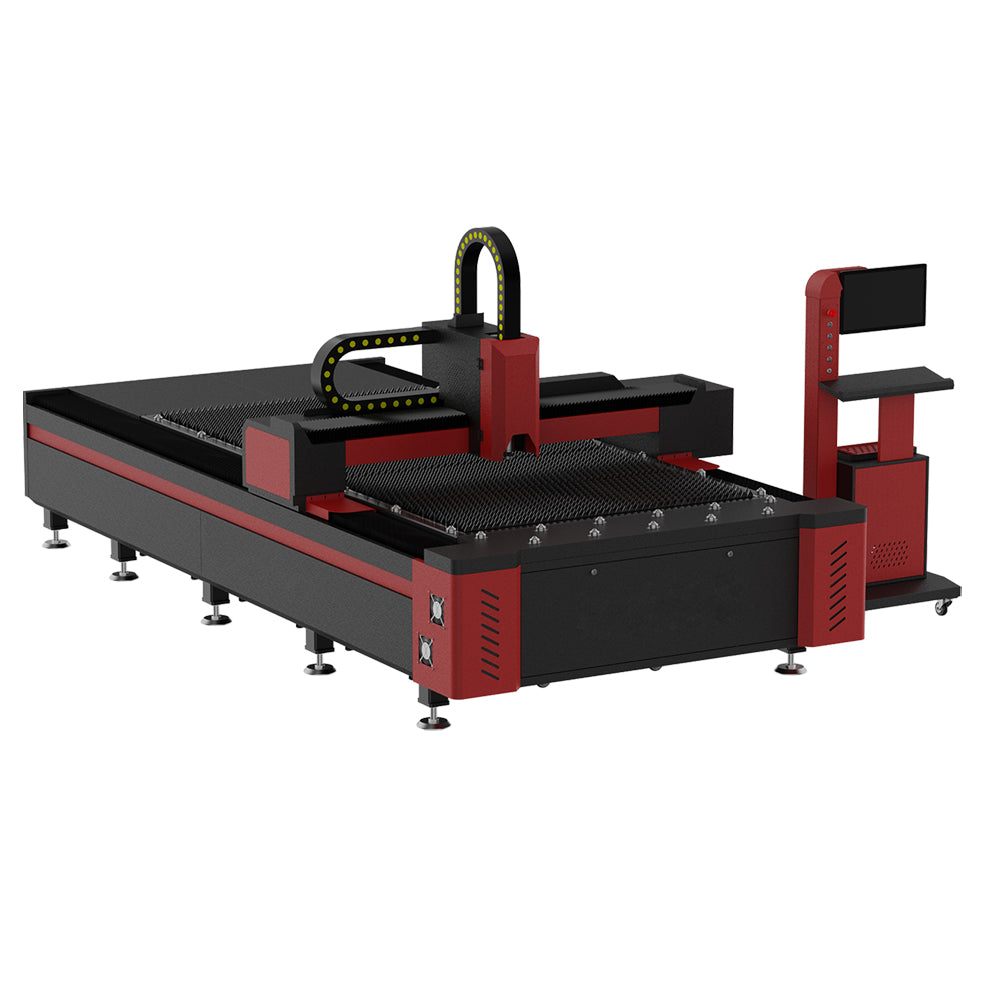
 3 kW Fiber Laser Cutting Machine
Stainless Steel Fiber Laser Cutting Guide
Define stainless steel material, assist gas and cut-edge requirements, then compare the complete job and a representative sample.
Fiber laser cutting stainless steel starts with a part requirement: the material, geometry and edge that the next production step can accept. A machine power figure alone does not establish that result. Use this guide to prepare a sheet-cutting trial and compare configurations on the same work.
Define the stainless steel and the finished part
State the material grade and thickness used in production, not just “stainless steel”. Record the sheet format, surface finish, protective film if present, and the drawing revision. Identify the visible face and any grain direction that must be preserved. Mark the dimensions and edge features that affect assembly.
| Requirement | Include in the cutting brief |
|---|---|
| Material and stock | Grade, thickness, sheet size, surface condition and any film identification. |
| Part geometry | Outer profile, holes, slots, narrow sections and the features with controlled dimensions. |
| Cut edge | Allowed burr or dross, edge appearance and the agreed method of inspection. |
| Next operation | Bending, welding, coating or polishing, including any preparation the edge must receive. |
| Production pattern | Typical quantities, material mix and which parts are regular work rather than occasional exceptions. |
Use the sheet-metal cutting workflow to place cutting within the wider job. A cosmetic edge and an edge ready for a particular joining process may need different acceptance checks; write those checks into the brief.
Match assist gas to the required edge
In fusion cutting, nitrogen or argon helps eject molten material and shields the cut edge from surrounding air. TRUMPF’s explanation of fusion cutting describes this route to an oxide-free edge. For a stainless steel enquiry, ask whether the proposed nitrogen process produces the edge you need on your own grade and thickness.
An oxide-free edge is one requirement; it does not by itself demonstrate dimensional accuracy, an acceptable burr level or readiness for every downstream process. If an alternative gas process is proposed, compare an actual sample against the same requirements and include any additional finishing in the review.
Ask the supplier to specify the gas quality, supply arrangement and demand for the quoted configuration. Have the site utility provision reviewed against that requirement. A pressure or speed copied from another machine is not a validated setting for your equipment; use the machine supplier’s approved process information and qualified setup support.
Inspect the whole part, not one straight edge
Choose a sample drawing that includes the features that could make the job difficult: small internal contours, corners, slots and the longest dimensions that matter. Include the production surface or film condition in the test record so a clean demonstration sheet is not mistaken for the complete requirement.
- Inspect the upper and lower faces, cut edge and critical dimensions using the agreed method.
- Record burr or dross, visible marking and any finishing needed before the next operation.
- Keep the drawing revision, material identity, machine configuration and sample photographs together.
- If bending, welding or coating determines acceptance, assess that next step on representative cut parts.
Agree the acceptance criteria before the trial with the laser sample test guide. Retain both the as-cut result and any later finished result, with the extra work identified.
Compare a complete job cycle
Record loading, positioning, cutting, part removal, sorting, inspection and finishing separately. Ask which stages a quoted cycle time includes. A straight-line cutting speed does not describe a nest containing many pierces and small contours, or the time needed to deliver accepted parts.
Use the same drawing set and material for comparisons. Record accepted quantity, material used and any repeat work. Carry observed gas use, handling and finishing into the fiber laser cutting cost review; leave unmeasured values identified as estimates.
Select the machine around the tested requirement
Compare the working area, source, head, cooling, gas provision and handling arrangements in the sheet laser cutting range. The open-bed fiber laser cutter is an equipment reference to discuss against the same brief. Confirm the selected configuration and its demonstrated result in the quotation.
For a mixed workload, distinguish routine stainless steel production from occasional materials or larger sheets. Review the sheet, tube and combination comparison if the stock format is still undecided.
Discuss a stainless steel cutting trial with your drawing, material grade, thickness, surface condition and edge requirements. Use the quotation checklist to carry the tested configuration into a clear supply scope.