
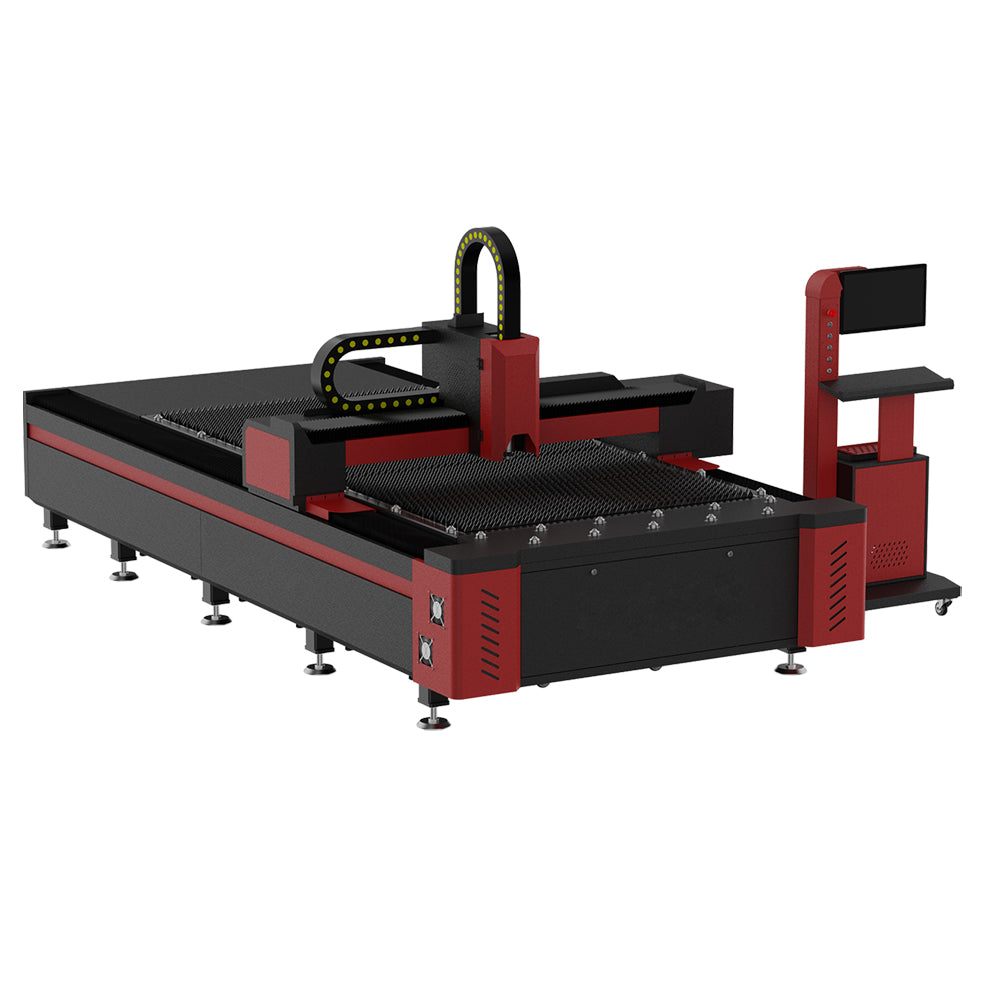
 3 kW Fiber Laser Cutting Machine
Sheet, Tube or Combined Laser Cutter: How to Choose
Compare the workpiece format, handling requirements and production schedule before choosing between sheet, tube and combination laser cutting systems.
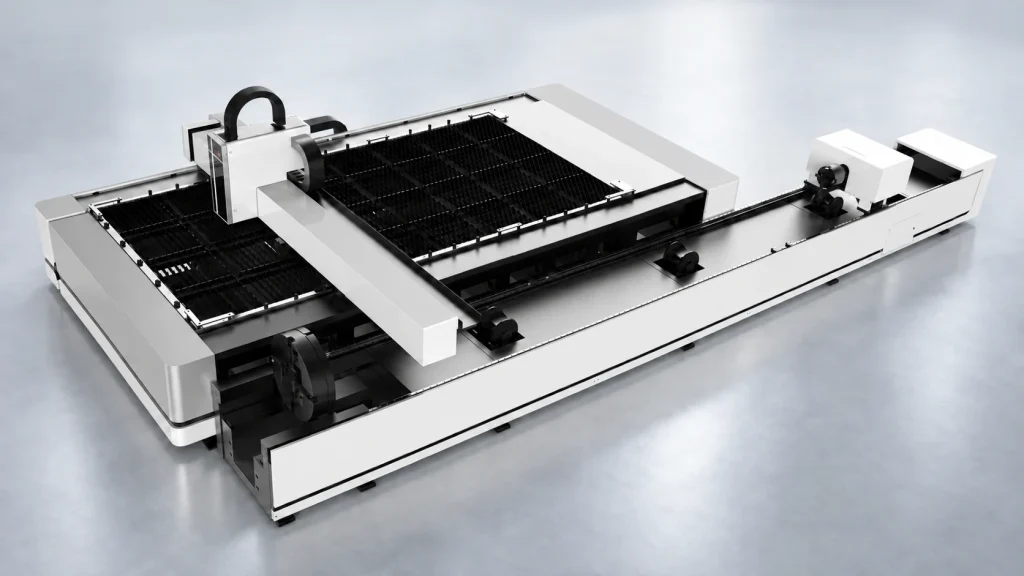
Compare fiber laser cutting machines by the stock you process: flat sheet, tube or a mix of both. A laser power figure does not describe how stock is held, how finished parts are removed or how jobs share the machine. Start with the parts and the work you expect to run repeatedly.
Start with the stock you process
| Your regular work | Format to investigate | Questions to resolve |
|---|---|---|
| Flat sheets and plates | Sheet laser cutting | Required sheet size, thickness mix, part nesting and loading arrangements. |
| Tubes and profiles | Tube laser cutting machines | Cross-section, wall thickness, raw-stock length, finished-part length and support requirements. |
| A mix of sheet and tube work | Sheet and tube cutting machines | Both sets of dimensional requirements, changeover and the schedule shared by the two processes. |
Use this as a starting point for discussion. A machine category alone does not confirm every material, profile or optional process. Check the proposed configuration against a representative set of your own drawings.
When sheet cutting is the main job
Build a list of the sheet sizes and material grades you purchase, the thicknesses used most often and the dimensions of your largest parts. Include the small holes, slots and internal contours that matter to the finished component. These details make a sample review more useful than a photograph of one attractive cut edge. For stainless steel work, use the material, assist-gas and edge-quality guide to prepare the trial.
Discuss the complete handling sequence: bringing in stock, positioning it, removing finished parts and managing the remaining sheet. Ask how the proposed working area and any loading options fit that sequence. The open-bed fibre laser cutter is one configuration to review within the sheet cutting range.
When tubes and profiles dominate
A tube enquiry needs the actual cross-section as well as its dimensions. Record the wall thickness, raw-stock length, finished-part length and weight information available from your material supplier. Include end cuts, holes and any features that require a particular orientation.
Ask for clamping and support arrangements to be reviewed against those parts. The two-chuck and three-chuck comparison explains how to assess gripping, part collection and remnants. Loading length and finished-part unloading length are separate questions: manufacturer tube-machine data illustrates why those limits are listed separately. Use the specification for the actual machine being quoted.
Our three-chuck tube cutter page separates the platform information from options that need confirmation, including handling and bevel cutting.
When one system needs to cover both
A sheet-and-tube system puts both workpiece formats into the equipment discussion. Evaluate it using a typical week of jobs: which operation runs most often, when work changes format and whether either process would have to wait for the other.
Ask the supplier to explain the changeover sequence, configuration limits and whether the two processes can run independently. Do not assume simultaneous production or a fixed saving from the combination label. If both workloads must run at the same time, compare the proposed schedule with separate-machine options.
Compare configurations with the same brief
- Provide the same drawings, material grades and thickness range for every proposal.
- Separate regular production from occasional oversized or unusual jobs.
- State typical batch sizes, shift pattern and the output you need to review.
- Identify loading, unloading and other options as included, optional or outside scope.
- Agree a sample test and acceptance record for the parts that drive the decision.
Keep the brief and quote together. The machine quotation checklist helps you compare the actual equipment, services and delivery scope after you have selected a format.