
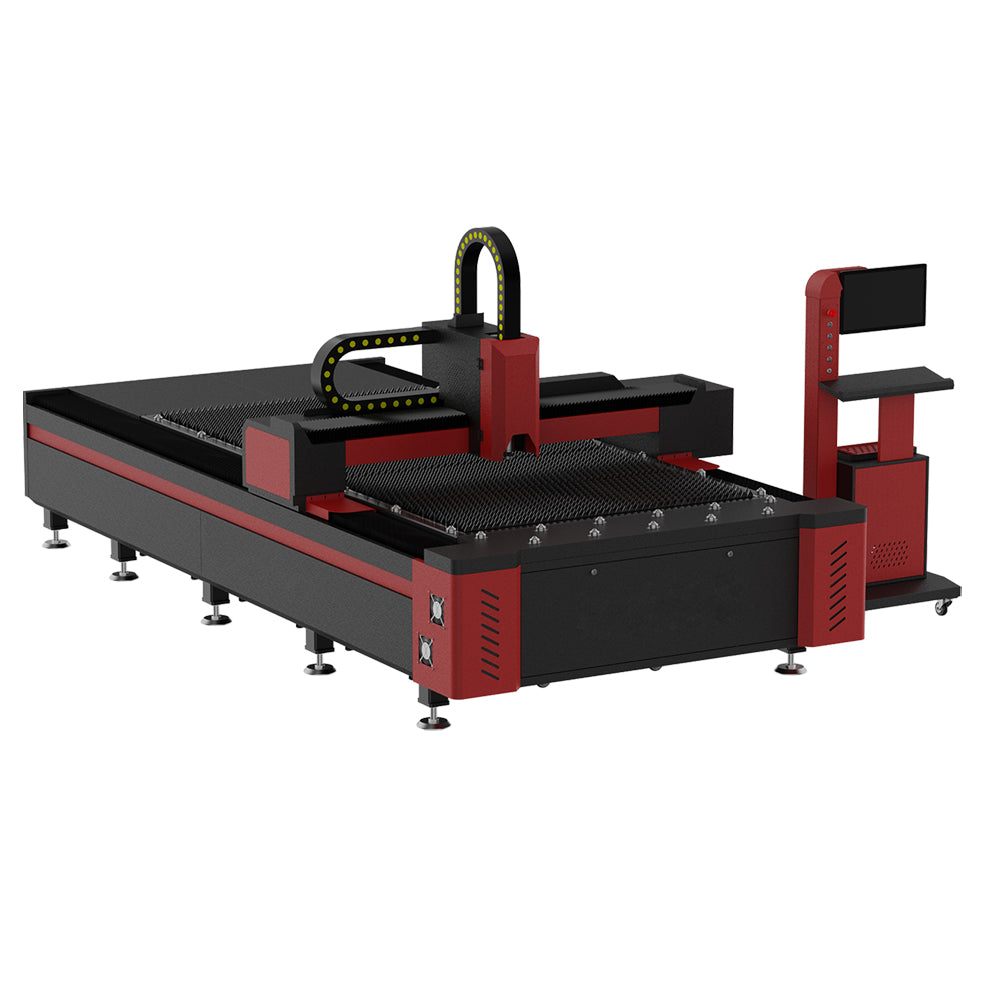
 3 kW Fiber Laser Cutting Machine
Air-Cooled vs Water-Cooled Laser Welders: How to Choose
Compare cooling arrangements against your joints, production workload and workshop conditions, then use a representative trial to review the proposed equipment.
An air-cooled vs water-cooled laser welder comparison should start with the joints and working conditions. Cooling describes how the equipment manages its own heat; it does not establish weld strength, suitable thickness or service life. Compare specific machine configurations using the same production brief, a representative welding trial and a clear equipment list.
What the cooling method tells you
Air-cooled equipment transfers heat to the surrounding air. Water-cooled equipment uses a circulating liquid circuit, with heat removed through the cooling system. The installation therefore needs to account for airflow, cooling components and the environment around the machine. The selected model determines the actual arrangement.
A cooling label is a starting point for questions, not a performance grade. The official IPG LightWELD range, for example, lists air cooling across several different machine configurations. That manufacturer example reinforces why the quoted model and documented operating limits matter more than a general rule about cooling type.
Compare the installation and service requirements
| Check | Air-cooled proposal | Water-cooled proposal |
|---|---|---|
| Cooling equipment | Identify airflow paths and required clearances. | Identify the chiller or integrated cooling circuit and its clearance requirements. |
| Workshop conditions | Confirm the permitted ambient conditions and dust-management instructions. | Confirm ambient limits and the specified coolant and operating conditions. |
| Moving the equipment | Check complete machine weight, dimensions, head cable and transport instructions. | Include cooling components, connections and transport preparation in the review. |
| Maintenance | Ask for filter, fan and air-path inspection requirements for that model. | Ask for coolant, filter, circuit and cooling-unit maintenance requirements. |
| Utilities and package | Verify the electrical input, gas supply and included accessories. | Verify the electrical input for the full package, gas supply and included accessories. |
Use the installation and maintenance documentation for the exact equipment. Avoid assuming that an air-cooled unit needs no maintenance or that a water-cooled machine can run any shift pattern without qualification.
Describe the real welding workload
Give the supplier a typical sequence of work: joint lengths, welds per part, loading time, pauses between welds and expected shift pattern. Include your workshop temperature range and whether the machine will remain in one position or move between work areas. Ask the supplier to confirm the proposed model against that sequence.
Separate the laser-on time from the complete production cycle. A short demonstration may prove that a joint can be made, while leaving repeated operation, operator access and handling unresolved. Request the operating limits and any required pauses in writing rather than inferring them from rated power.
Keep the joint at the centre of selection
List material grades, thicknesses, joint type, fit-up and surface condition. Include difficult access positions and any variation in the incoming parts. State how the weld will be assessed: appearance, dimensions, distortion or specified inspection. Cooling alone cannot answer those questions.
Explore the handheld laser welding range and the water-cooled handheld welder as equipment references. Confirm the source, head, wire-feeding arrangement and accessories in the actual proposal; a pictured accessory does not establish the included supply scope.
Run a representative welding trial
- Provide labelled samples that represent the regular joint and the most demanding variation you expect to process.
- Use the same material, joint preparation and acceptance criteria when comparing proposed machines.
- Record the machine configuration, cooling arrangement, process settings, filler wire and shielding-gas details used in the trial.
- Include repeated joints and normal handling pauses, then record any stops, adjustments or changes in the result.
- Inspect the agreed weld features and keep the results with the sample IDs. Arrange any required specialist inspection separately.
The laser sample test guide helps structure the record. A passing sample supports the tested case; other materials, joints or production schedules require their own review.
Compare the complete quoted package
Use the machine quotation checklist to separate the machine, cooling equipment, wire feeder, consumables, delivery and startup services. Ask which documents and training accompany the proposed configuration. Compare the same included scope before drawing a cost conclusion, using the handheld laser welder cost guide to review the purchase and operating cost items.
Bring the trial record and site brief to a welding equipment quotation discussion. The useful choice is the configuration that meets the agreed joint, workload and installation requirements, supported by documented evidence.
Further reading
Manufacturer references explain cooling arrangements and show how specifications are tied to particular models. Their product figures are not FONLAND specifications.