
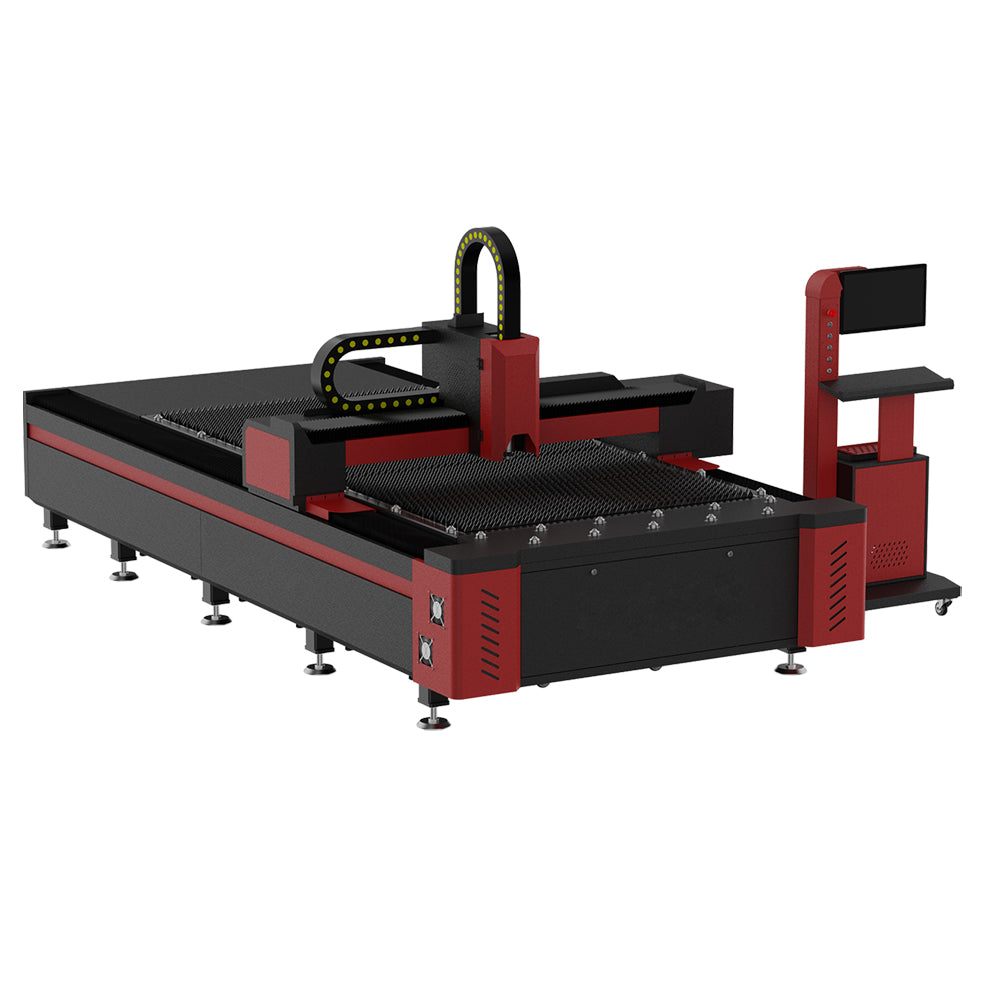
 3 kW Fiber Laser Cutting Machine
Handheld Laser Welder Cost: Build a Practical Budget
Separate the purchase package from production costs. Use a defined joint, measured batch and accepted assembly count to compare welding budgets.
A handheld laser welder price covers a proposed equipment package. Your production budget also needs the cost of delivering an accepted welded assembly. Keep those two calculations separate. This guide provides a worksheet for comparing offers and measuring welding costs; it does not present a standard selling price or assumed savings.
Build the package around a defined joint
Use one reference assembly, material list and joint drawing for each enquiry. Decide whether the trial uses filler wire, which surfaces need preparation and how the finished weld will be inspected. Refer cooling decisions to the air-cooled and water-cooled comparison; a cooling label alone does not establish purchase value.
| Budget line | Evidence to request |
|---|---|
| Source, head and cooling | Exact configuration, controls and cooling equipment included in the machine offer. |
| Wire feeding | Feeder, feed path, compatible wire and initial supply; identify optional items separately. |
| Joint setup | Workholding, access, preparation tools and any finishing needed for the reference assembly. |
| Consumables | Nozzle and protective-window references, supplied quantities and replacement pricing. |
| Work area and startup | Gas equipment, extraction, site preparation, commissioning and operator training responsibilities. |
Review the handheld welding range or the existing water-cooled welder against that list. Confirm inclusions in the written offer rather than treating every pictured accessory as supplied.
Separate the purchase from startup spending
Startup budget = equipment package + required items outside the package + delivery and receiving + site preparation + commissioning and training.
Use this as a purchasing worksheet. Mark each item included, separately quoted, customer-provided or unresolved, and assign it once. Use one currency and record the conversion date if offers use different currencies. Keep optional future equipment outside the initial total. List destination charges and any financing separately when they are relevant to your internal budget.
Measure cost per accepted welded assembly
Measured batch operating cost = labour + electricity + shielding gas + filler wire + consumed parts + allocated maintenance.
Operating cost per accepted assembly = measured batch operating cost ÷ accepted assembly count. Use a completed, accepted batch; do not divide by the number started if some parts remain rejected or unfinished. If no assemblies pass acceptance, report the trial cost and unresolved result instead of a unit cost.
Measure labour in person-hours, including preparation, fixturing, welding, inspection, finishing and repeat work within the agreed scope. Multiply each recorded quantity by its applicable unit rate. Use electricity consumed by the complete working setup, including cooling and extraction where applicable; laser output power is not the electricity bill. Record gas and wire consumed during the same batch.
State whether raw material and rejected-part losses are included or tracked separately. Keep maintenance allocation visible and do not count the same replacement in both consumables and maintenance. Capital allocation can be added as a separate internal line, using your chosen period and workload; it is not a second purchase expense.
Use the trial to test the budget assumptions
A short attractive weld does not establish the cost of a complete assembly. Use the sample test guide to agree acceptance and record the actual workflow.
- Time preparation, welding, handling, inspection and finishing separately; record who performs each step.
- Identify repeat work and material losses instead of removing them from the trial record.
- Separate one-time setup from repeated production so batch size remains visible.
- Recalculate with your own lower, expected and higher workload assumptions; do not invent machine output to fill a blank.
Compare offers on the same joint and inspection requirement. Leave unmeasured inputs labelled as estimates, with an owner and a method for checking them.
Request the missing evidence with the quotation
Send the reference assembly, expected batch pattern and worksheet with your welder quotation enquiry. Use the quotation checklist for commercial scope and handover questions.
For manufacturer examples, IPG’s equipment table separates wire-welding capability, cooling and optional functions. Laserax’s extraction guidance identifies filtration and maintenance considerations. These references help define questions; their product performance and package details are not FONLAND quotations.